
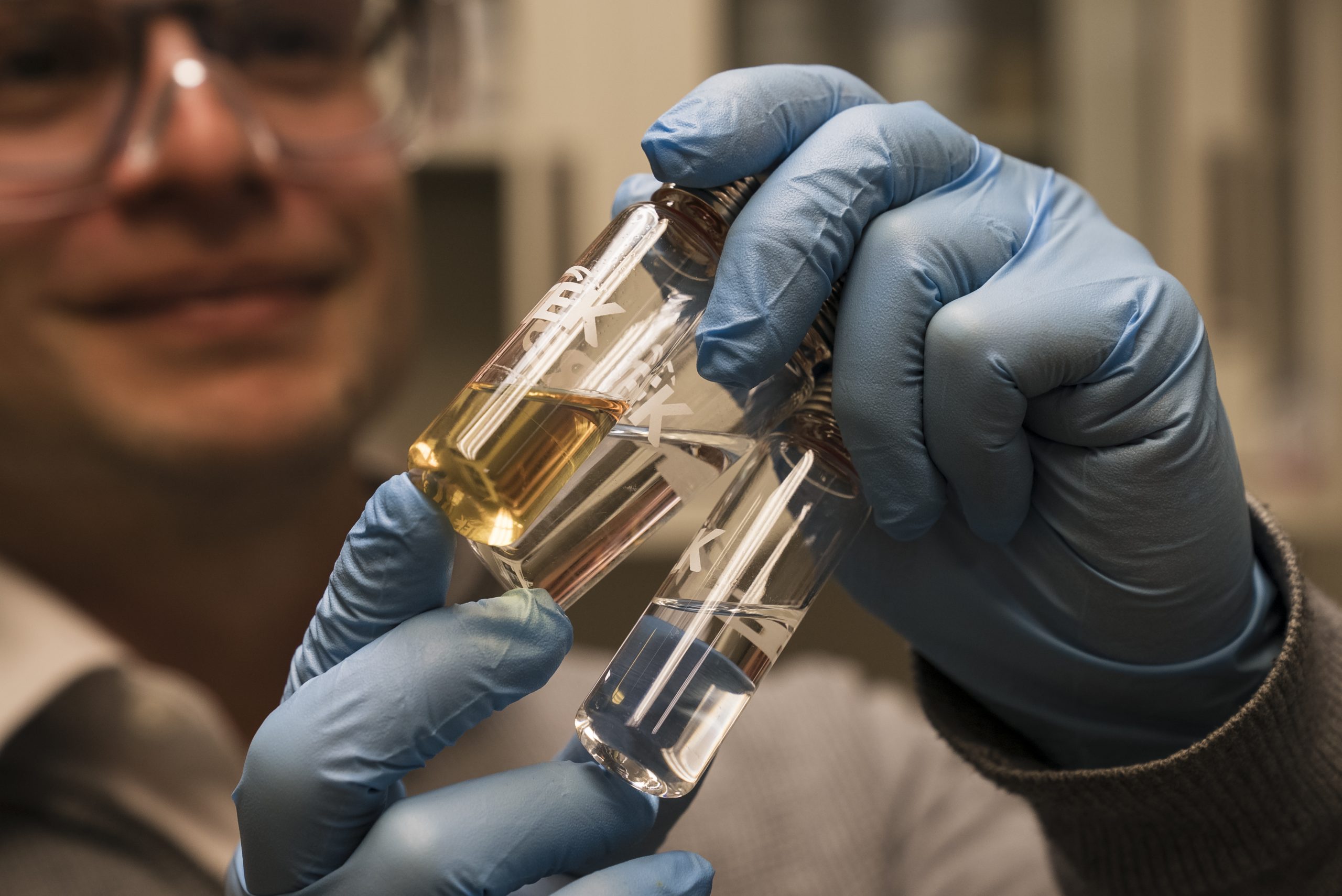
How 2 Startups Are Turning Plant Waste Into Products
Plant waste, like paper pulp and sawmill dust, can be converted into goods, like sunscreen, paints, and even fuel for planes and ships. But plant waste is also stubborn—it is complex (and often expensive) to break down, and industries typically need to build a new facility (also at great cost) to run these chemical conversions.
Now, two startups are working to make it easier and more profitable to turn plant waste into everyday products, thanks in part to Shell and the National Laboratory of the Rockies (NLR). On October 30, 2026, the companies Bloom and Alder were selected to join the eighth cohort of the Shell GameChanger™ Accelerator Powered by NLR (GCxN) program. This multimillion-dollar, multiyear program supports young companies by granting them access to NLR experts, who help test and refine their promising new energy technologies, so they can move from potential to profits.
Through GCxN, both startups receive $250,000 to collaborate with experts at NLR and access the laboratory’s equipment, facilities, and capabilities. At the lab, researchers can evaluate the startup teams’ early-stage technologies, help scale up prototypes, and identify opportunities to optimize the inventions for real-world applications and industries.
Bloom, for example, has created a way to break down nonfood plant waste, like straw and wood, into its three major building blocks: lignin, hemicellulose, and cellulose. The company then converts those components into chemicals and materials needed to produce goods ranging from cosmetic formulations to adhesives, paints, and coatings. One of those building blocks, lignin, is typically burned to power industrial processes. But, according to Bloom, converting it instead of burning it could enable industries to get 35% more value out of this material (raising the overall extractable fraction from 40% to 75%, making the business case more profitable).
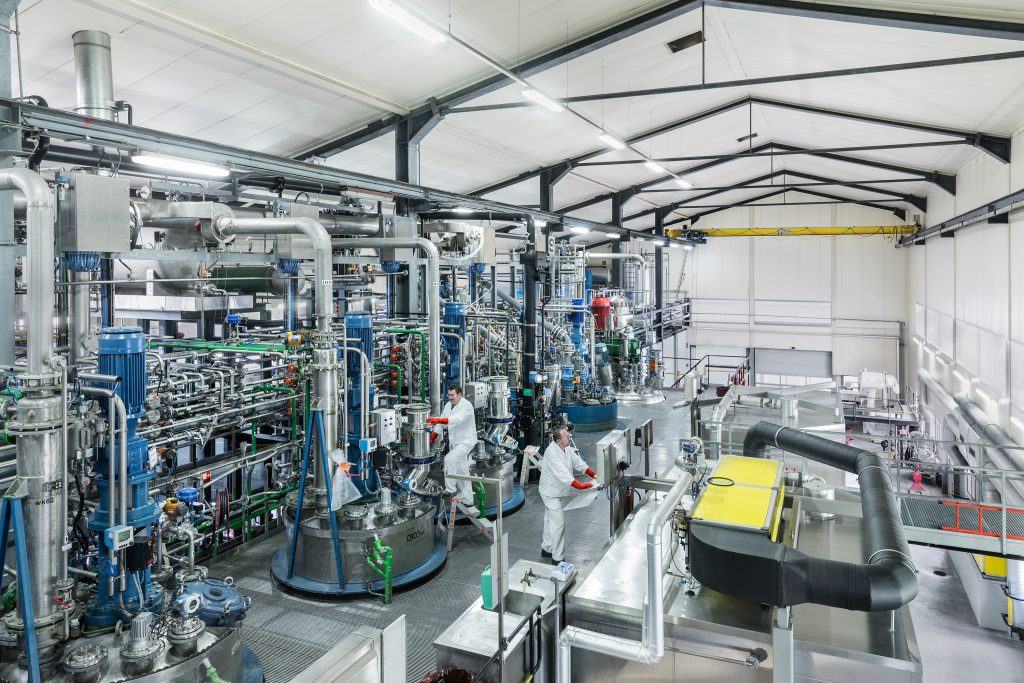
Through the Shell GameChanger Accelerator™ Powered by NLR (GCxN) program, startups, like Bloom and Alder, can access equipment, facilities, and expert support to help them turn early-stage prototypes into industry-ready technologies. Photo from Bloom
Bloom and Alder Test and Refine Their Technologies With Help From Laboratory Experts
Now, through GCxN, the Bloom team will partner with NLR’s materials experts to further evaluate and improve its chemical separation technology.
“Working with the laboratory has the potential for us to really expand our ability in terms of analytical potential and expand our brain power,” said Remy Buser, co-founder and co-CEO of Bloom. “With Shell, we can accelerate the scaling of our Aldehyde Assisted Fractionation technology. We will look in more detail at the challenges and how to solve them, learning from what has been done in the past.”
Alder has also designed a way to turn woody waste, like sawdust, into goods. But one of the company’s biggest feats is its ability to work directly with oil refineries as they exist today. The company’s new waste-to-value process turns plant scraps into a liquid that refineries can mix with petroleum to produce fuels (like aviation fuel), convert into oil for ships, or use to make foundational chemicals needed to manufacture a wide variety of everyday products. Now, the startup will work with NLR’s experts to evaluate how well its process can integrate into current refinery technologies and analyze the performance of the resulting products.
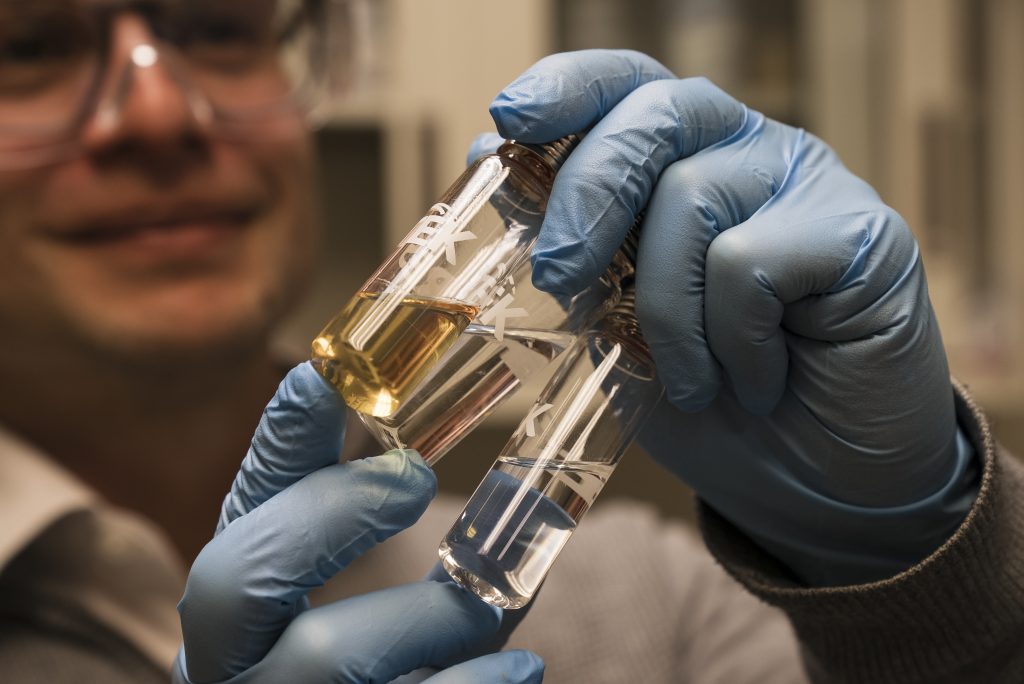
Some waste does not have to be wasted. Experts at the National Laboratory of the Rockies are working with two startups to turn one kind of waste—plant scraps—into everyday products. Photo from Alder
“Through the GameChanger program, we’re not just doing lab work,” Alder CEO Derek Vardon said. “We’re taking that forestry waste and residue, which will be independently validated by experts in the field from both the advanced chemistry researchers within NLR to the refining folks [at Shell] who produce billions of gallons of fuel a year.”
Bloom and Alder start work at the National Laboratory of the Rockies in the fall of 2026. These two latest GCxN startups bring the program’s total portfolio to 31 companies.
“Through the GCxN program, Shell is accelerating energy innovation in critical areas to drive lasting impact,” said Yesim Jonsson, Shell’s GCxN program manager. “We are proud to work with NLR to introduce this new cohort that reflects our commitment to scaling technologies that transform waste into valuable fuels, materials, and products.”
Up to now, GCxN portfolio companies have collectively raised more than $1.05 billion and hired more than 950 people. On average, GCxN startups jump about two points on the technology readiness level—a scale from 1 to 9 that measures how ready an invention is for real-world use.
This fall, Bloom and Alder will see how high they can climb.
See GCxN’s full portfolio of companies.
Comments are closed.